
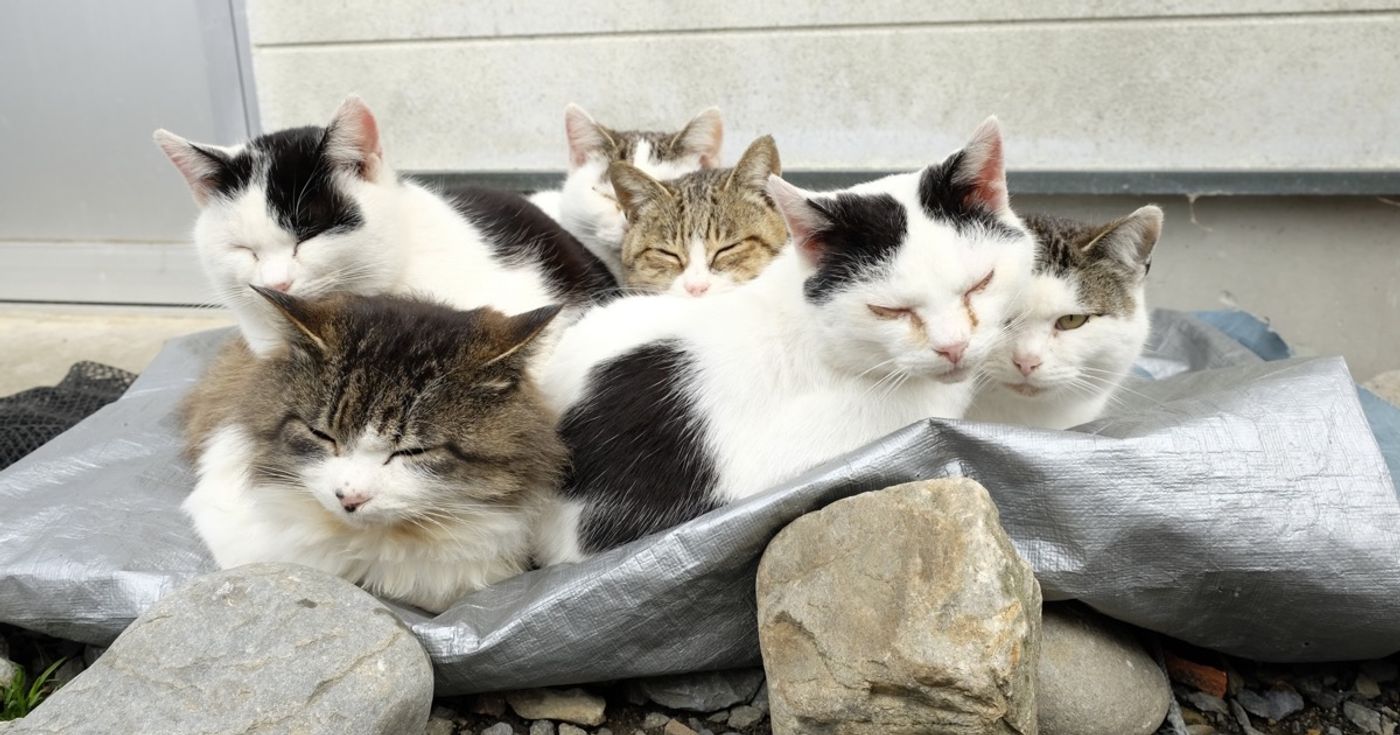
Tashirojima is the famous cat island in Miyagi, but the best way to enjoy it is to forget the fantasy version for a minute. This is not a theme park full of trained cats waiting by a welcome sign. It is a small inhabited island with fishing villages, quiet lanes, a cat shrine, a few visitor facilities, and cats that happen to be part of everyday island life.
That makes it more interesting than the internet version. The cats are real, the ferry logistics are real, and the island is quiet enough that your behavior matters. If you come expecting a cute but normal rural island, Tashirojima is charming. If you come expecting endless cat content on demand, it can feel slower than expected.
The trip starts from Ishinomaki, so it pairs well with a Sendai or Matsushima itinerary if you have an extra day and like offbeat places. Just treat the ferry schedule as the boss of the day.
Why are there so many cats on Tashirojima?
Tashirojima has long had a relationship with cats through fishing and local belief. The Ajishima Line island guide says cats have been valued as a god of good fishing, and that the island is now known as a cat island. The island also has a Neko Jinja, or Cat Shrine, connected to that fishing culture.
The common story is that cats helped protect silkworms and later became important to fishing households, where their behavior was watched closely. Over time, cats became part of the island identity rather than just pets.
Today, the cats are the draw for many visitors, but they are still animals living around residents, ports, houses, and lanes. That is the key distinction. You are visiting their home, not entering a cat café.
How do you get to Tashirojima?
Tashirojima is reached by Ajishima Line ferry from Ishinomaki. The ferry connects Ishinomaki ports with Tashirojima, Ajishima, and Ayukawa, stopping at Tashirojima ports including Odomari and Nitoda.
The ferry company warns that weather and sea conditions can cause cancellations, port changes, or arrival-time changes, sometimes close to departure. It also says passengers should check the real-time timetable on the top page on the day of travel. That is not just formal wording. Island trips in Miyagi really do depend on the sea.
Tickets are sold same-day on a first-come basis, with no reservations for passenger tickets. The Ajishima Line fare page lists cash-only payment and says that once capacity is reached, passengers use the next boat. Bring cash and avoid building a tight train connection after the return ferry.
Which port should you use?
Nitoda is the port most visitors associate with cats and island wandering. Odomari is quieter and useful if you are walking more of the island, but casual day visitors usually focus on Nitoda and the area around the village.
The island is walkable, but do not underestimate heat, hills, or the time needed to return to the ferry. There are not constant taxis or convenience stores waiting in the background. Plan like you are visiting a small island because you are.
What is there to do besides see cats?
Visit the Cat Shrine if you have time and the walking conditions are good. The Ajishima Line guide describes it as a shrine venerating cats as a god of good fishing. It is small, but it gives the cat story a local context beyond cute photos.
Manga Island is another distinctive stop, with cat-themed lodges and campsites connected to manga culture. The ferry company page points visitors to Ishinomaki City tourism information for lodging and reservations, so check current operation before assuming it is open for your dates.
Mostly, though, Tashirojima is about walking slowly through a quiet island landscape. Harbors, fishing gear, old houses, cats in patches of shade, sea views, and a slower rhythm are the actual experience.
What should you know before visiting the cats?
Do not bring a dog. The Ajishima Line island page posts a request from residents asking visitors not to bring dogs to Tashirojima, except specific dogs such as service dogs, because the island has long cherished cats and wants to avoid disrupting the ecosystem and local environment.
Do not chase, pick up, crowd, or feed cats random food. Even if feeding is not your plan, keep snacks zipped away because cats may still investigate. Give residents privacy, especially around homes, gardens, and working fishing areas.
The island guide also lists local restrictions: no wild camping, no camping or barbecues outside designated places, no open fires outside designated areas, and no swimming. Food can be limited, and the ferry company notes that island meals depend on facilities being open, so visitors should bring food or confirm business hours.
When is the best time to go?
Spring and autumn are the easiest seasons. The weather is comfortable, walking is pleasant, and cats are more likely to be lounging outside without the harshness of summer heat or winter wind.
Summer can still be fun, but shade and hydration matter. Winter is quiet and atmospheric, yet ferry disruptions and cold wind can make the trip feel more fragile. Any season can work if the ferry runs and you are dressed for the day.
Go early enough to protect your return. The worst version of a Tashirojima trip is arriving late, rushing through the village, then worrying about the last boat.
Is Tashirojima worth it?
Yes, if you like slow places and understand the logistics. The island is not packed with attractions, and that is exactly why it can feel special. It is a small community with cats, not a polished day-tour product.
If your Japan itinerary is already crowded, Tashirojima may be too much effort for a short cat encounter. If you are spending time in Miyagi and want something quieter than another city stop, it can be a memorable detour.
Answers to Common Questions
Final thoughts
Tashirojima is at its best when you let it be quiet. The cats are the hook, but the island itself is the point: ferry ride, harbor air, small lanes, local rules, and a pace that asks visitors to slow down. Come prepared, be gentle around the cats and residents, and the trip feels much better than a rushed photo hunt.