
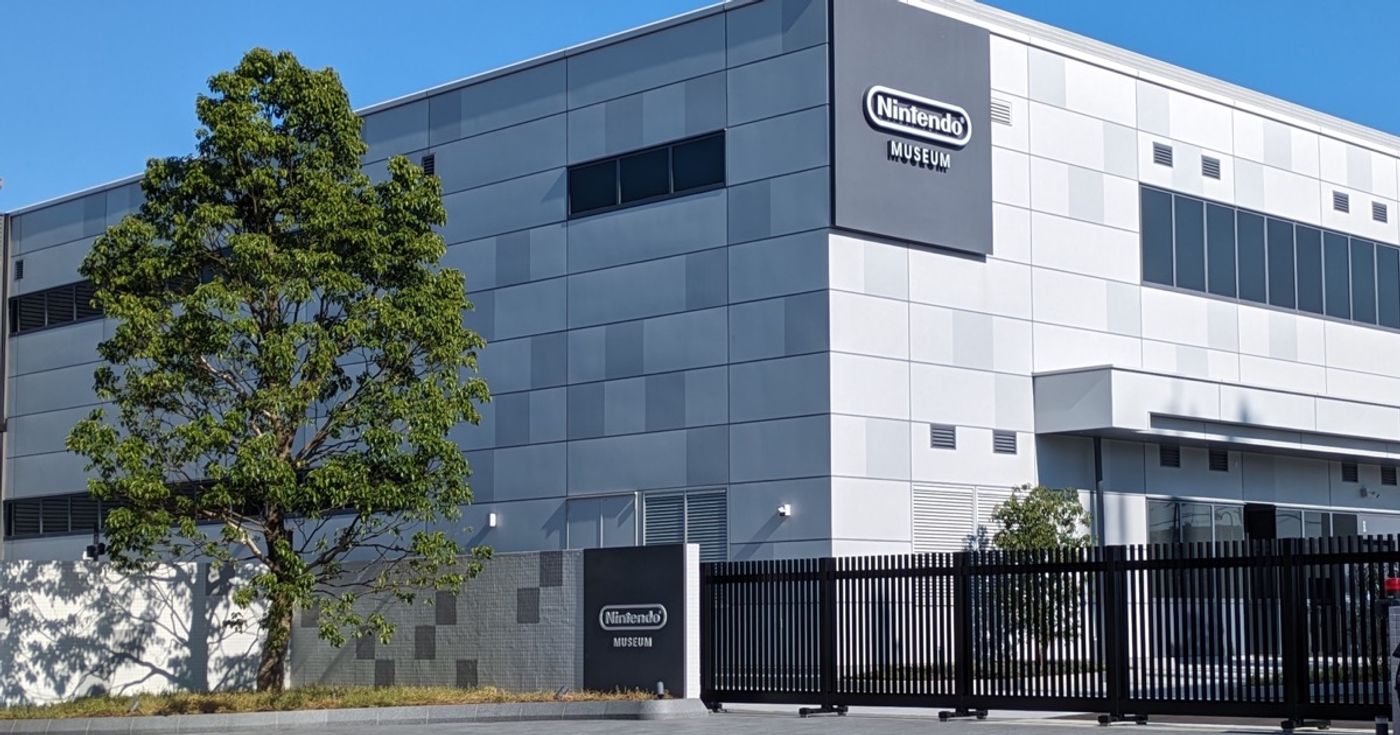
The Nintendo Museum in Kyoto is one of those places that sounds simple until you try to plan it. It is a museum about Nintendo, yes, but it is also a timed-ticket, lottery-entry attraction in Uji, with strict ID checks and a few rules that can surprise first-time visitors.
If you are expecting a casual walk-up stop between temples, reset that plan now. The Nintendo Museum works best when you treat it as the anchor of a half-day trip south of central Kyoto, then build the rest of your day around Uji or nearby rail connections.
What the Nintendo Museum Actually Is
The museum opened in 2024 on the site of Nintendo's former Uji Ogura Plant. The official concept is focused on the history of Nintendo's entertainment products, from hanafuda cards through modern consoles, with exhibits that connect the company's older toys and games to more recent play experiences.
This is not a giant theme park and it is not Super Nintendo World. Expect a polished museum with product displays, interactive exhibits, a cafe, a shop, and optional hanafuda-related workshops. It is more nostalgic than thrilling, and that is the point.
Tickets: The Part You Need to Plan First
Tickets are sold in advance for a specific date and time, mainly through a randomly selected drawing. Nintendo says entries open three months before the visit month, and a free Nintendo Account is required. If tickets remain after the drawing, some first-come, first-served slots may appear later on the ticketing website.
Current official prices are 3,300 yen for adults ages 18 and up, 2,200 yen for ages 12 to 17, 1,100 yen for ages 6 to 11, and free for preschoolers ages 0 to 5. Children 11 or younger need a guardian, and Nintendo requires at least one adult ticket when buying a child ticket.
If your entry is selected, you pay by the deadline with a credit card. QR codes become available from 14:00 the day before your visit. Do not ignore the name and ID rules: Nintendo checks identification at entry, and non-Japanese nationals are told to bring a passport.
Hours, Closures, and Access
The museum's official hours are 10:00-20:00. It is closed on Tuesdays and during the New Year holiday period from December 30 to January 3. If Tuesday is a national holiday, the museum opens that day and closes the following Wednesday instead.
The address is 56 Kaguraden, Ogura-cho, Uji-shi, Kyoto 611-0042. The simplest approach is public transportation: about a 5-minute walk from the east exit of Ogura Station on the Kintetsu Kyoto Line, or about an 8-minute walk from the north exit of JR Ogura Station on the JR Nara Line.
Nintendo is unusually direct about access: do not go by car, motorcycle, bicycle, or taxi. The museum does not offer regular parking for those modes, and the official guidance asks visitors to use public transportation, excluding taxis.
What to Expect Inside
The second-floor displays are the heart of the museum if you grew up with Nintendo hardware. The fun is not only seeing old consoles and games, but noticing how a company that started with cards kept returning to the same question: how do you make play feel fresh?
Interactive exhibits use a play-ticket system, so you will not necessarily do everything in one visit. That is not a flaw; it keeps the museum from becoming a frantic arcade. Pick the experiences that matter most to your group and leave a little time for the shop and cafe if those are priorities.
The Craft & Play workshop is separate from normal entry. Same-day reservations are required, a separate fee applies, and places can fill. If you care about the hanafuda workshop, ask about it soon after entering rather than leaving it for the end.
Rules That Are Easy to Miss
Photography is not allowed everywhere. Nintendo's guidance says photos are allowed in the interactive exhibits area of Exhibition Building 1, but not in the exhibition area. Selfie sticks, tripods, commercial shooting, and live-stream-style behavior are also restricted.
Cosplay is not allowed. That may feel surprising for a Nintendo attraction, but the museum is clear that visitors should not come in costumes or clothing that interferes with safety, identification, or the experience of other guests.
Large bags should go in the free coin lockers near the entrance, and food generally cannot be brought inside, with limited exceptions such as baby food, children's snacks, and allergy-related needs. Drinks in bottles or insulated containers may be inspected.
Is It Worth the Trip From Central Kyoto?
For Nintendo fans, yes. The museum gives you something Kyoto's temples and gardens cannot: a focused look at one of Japan's most influential entertainment companies in the place where part of its manufacturing history actually happened.
For casual visitors, it depends on whether you can get tickets without warping your itinerary. Uji is south of central Kyoto, so it is not a quick drop-in between Kiyomizu-dera and Nishiki Market. Pair it with Uji's tea shops, Byodoin area, or a slower afternoon rather than rushing back immediately.
Frequently Asked Questions
Final Thoughts
The Nintendo Museum is not the easiest Kyoto attraction to visit, but that is partly why planning matters. Secure the ticket first, bring the right ID, take the train, and give yourself enough time to enjoy it like a museum rather than sprinting through it like a side quest.